Illuminating Medicine: How Light-Powered Chemistry Creates High-Energy Molecules
Imagine building tiny, spring-loaded molecular rings that can release energy on demand—these are housane molecules, and they hold massive potential for revolutionizing drug discovery and advanced materials. Until now, their high internal strain made them notoriously difficult to produce. But a groundbreaking light-driven method has changed the game. This Q&A explores how scientists harness photocatalysis to forge these elusive structures cleanly and efficiently, and what it means for the future of medicine and beyond.
What exactly are housane molecules and why are they so hard to make?
Housane molecules are tiny, compact ring-shaped compounds that pack an intense amount of internal strain—imagine a tightly coiled spring. This strain makes them highly reactive and valuable for triggering chemical reactions or releasing energy in controlled ways. However, that very instability also makes them incredibly tricky to synthesize. Traditional methods often yield low amounts or produce harmful byproducts, because the molecules want to snap open or rearrange as soon as they form. The challenge lies in providing just the right conditions to coax the atoms into that strained, high-energy arrangement without letting them fall apart. Think of it as building a house of cards where every card is under tension—one wrong move and the whole structure collapses.
How does the light-driven method work to create these strained molecules?
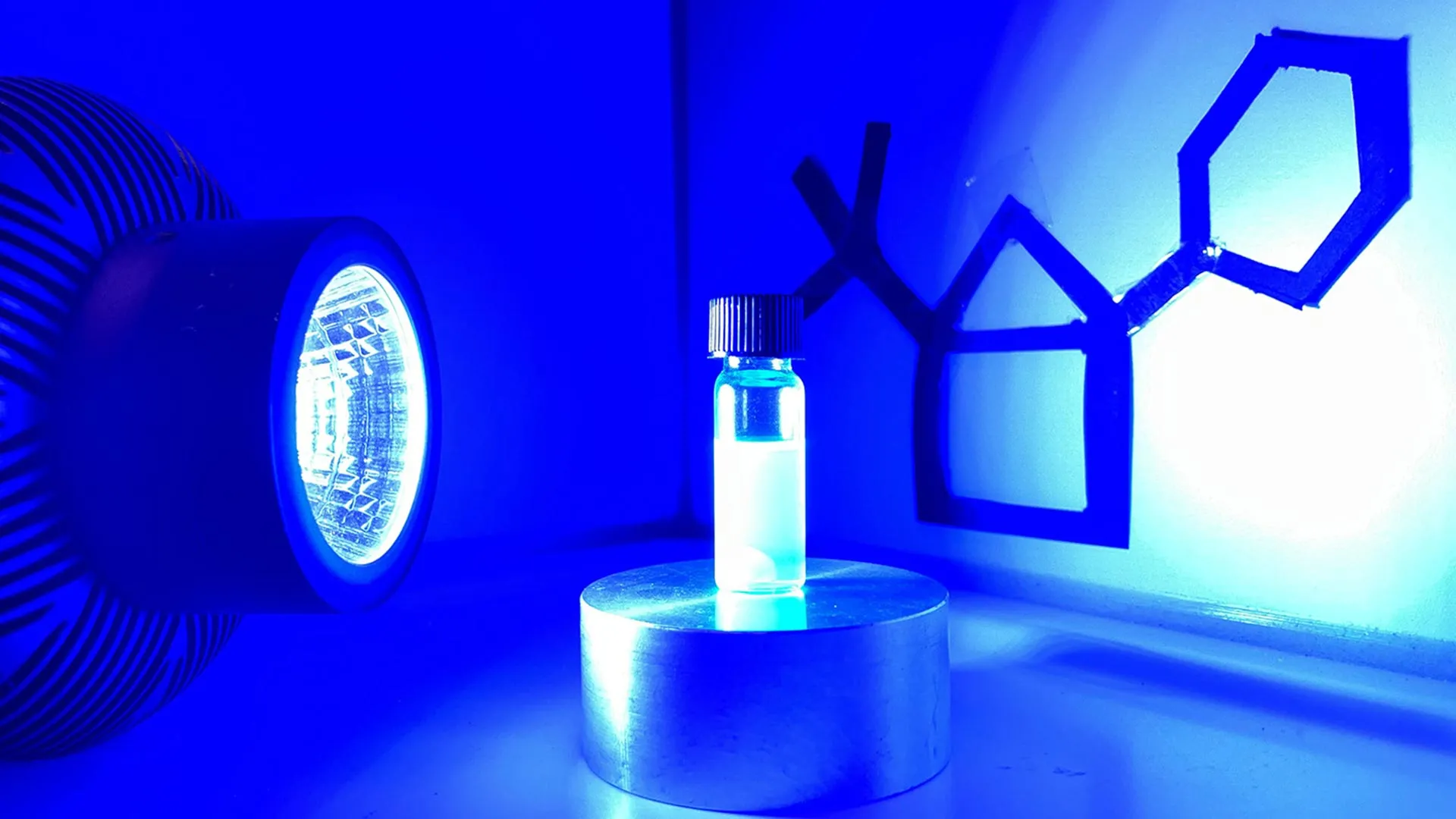
Instead of relying on heat or harsh chemicals, researchers shine light on a carefully selected mixture of starting molecules. The light activates a photocatalyst—a molecule that absorbs light energy and transfers it to the reactants. This energy boost gently pushes the starting materials into forming the high-energy housane ring. By precisely tuning the structure of the starting molecules and the wavelength of light, the team guides the reaction along a single, clean pathway. The result is a near-perfect yield of housane molecules, without the side reactions that normally plague synthesis. It’s like using a key to unlock a door: the light provides the precise amount of energy needed to create the ring, and nothing more.
What role does photocatalysis play in this new technique?
Photocatalysis is the secret engine driving this process. The catalyst absorbs light and enters an excited state, then transfers that energy to the reactant molecules. This energy transfer is what overcomes the activation barrier to form the strained ring. Because the catalyst itself isn’t consumed, it can be reused, making the method sustainable. Moreover, the reaction occurs at room temperature and under mild conditions, which is far gentler than conventional high‑heat or high‑pressure approaches. This precision allows the team to control the outcome with remarkable accuracy—essentially, the photocatalyst acts as a molecular conductor, orchestrating the formation of housanes without unwanted side reactions.
How does this advance benefit drug development?
In drug discovery, chemists are always searching for new molecular shapes that can interact with biological targets in unique ways. Housane molecules offer a constrained, rigid framework that can fit into protein pockets where floppy molecules cannot. Their high strain also means they can release energy to form covalent bonds with targets, potentially leading to more potent and selective medicines. The light-driven method now makes it feasible to produce these strained rings on a scale suitable for pharmaceutical testing. This opens the door to designing drugs with improved stability, bioavailability, and specificity—think of it as adding a new, powerful tool to the chemist’s toolbox for building better therapies.
What are the implications for materials science?
Beyond medicine, housane molecules could be used as building blocks for advanced materials. Their strain energy can be harnessed to create materials that store and release mechanical energy, much like a molecular spring. This could lead to self-healing polymers, where the rings snap open to repair cracks, or to responsive coatings that change properties under mechanical stress. Additionally, because housanes are small and rigid, they could be incorporated into crystalline frameworks to tune porosity or optical properties. The clean, efficient synthesis method means these materials can now be produced without contamination, speeding up research into everything from smart textiles to energy‑storage devices.
What makes this method cleaner and more efficient than previous approaches?
Earlier attempts to make housane molecules often required extreme conditions—very high temperatures, strong acids, or toxic metal catalysts—which led to messy mixtures and low yields. The light-driven method eliminates these downsides. It uses only a photocatalytic cycle, mild light, and carefully designed starting materials. The reaction proceeds with high selectivity, meaning almost every molecule of starting material gets converted into the desired housane, rather than forming unwanted byproducts. This reduces waste and simplifies purification. The entire process is also energy‑efficient, as it uses visible light rather than intense heat. In short, it’s a greener, more sustainable chemistry that aligns with the principles of modern green chemistry.
What are the next steps for this research?
The team plans to explore a wider range of starting molecules to create different types of strained rings—not just housanes, but other high‑energy structures that could be equally valuable. They also aim to scale up the reaction from milligram to gram quantities, and eventually to industrial levels. Collaborations with pharmaceutical and materials scientists are already underway to test the real‑world applications of these molecules. Additionally, researchers are investigating how to recycle the photocatalyst even more efficiently. The ultimate goal is to establish a general platform for making strained molecules on demand, opening up a new frontier in synthetic chemistry.
How could this technology transform medicine?
If the light‑driven method can be commercialized, it could dramatically accelerate the development of new drugs. Drug candidates that were once too difficult or too expensive to synthesize become accessible. The unique reactivity of housane molecules could lead to targeted covalent inhibitors—drugs that form permanent bonds with disease‑causing proteins, offering longer‑lasting effects. This approach has already shown promise in cancer and infectious disease treatments. Beyond small‑molecule drugs, housane‑based compounds could be attached to biologics or nanomaterials for advanced delivery systems. In essence, this breakthrough could help transform the way we design and produce medicines, making treatments more effective and personalized.
Related Articles
- New Study Questions the Value of Common Meniscus Surgery
- Resurrecting Parkinson's Cell Therapies: How AI Biotechs Can Acquire and Revitalize Discontinued Programs
- From One Child to Many: The Quest to Scale Bespoke Genetic Therapies
- FDA's New Gene Therapy Pathways: Skipping Trials for Rare Diseases?
- Navigating FDA Leadership Changes: Understanding the Impact of Key Departures at the Center for Drug Evaluation and Research
- Preserving the Promise: A Q&A on America's Challenges and Hope
- How to Harness Programmer Laziness for Better AI-Assisted Coding
- Preparing for Immunotherapy Before Colorectal Cancer Surgery: A Step-by-Step Guide