Psyche Spacecraft Slingshots Past Mars in Critical Test for Asteroid Mission
Mars Flyby Sets Course for Metal-Rich Asteroid
NASA's Psyche spacecraft successfully completed a high-stakes flyby of Mars last week, using the planet's gravity as a slingshot to accelerate toward its ultimate destination—the metal asteroid Psyche. The maneuver occurred at 2,864 miles above the Martian surface, well clear of the thin atmosphere, and provided the mission's most significant boost since launch.
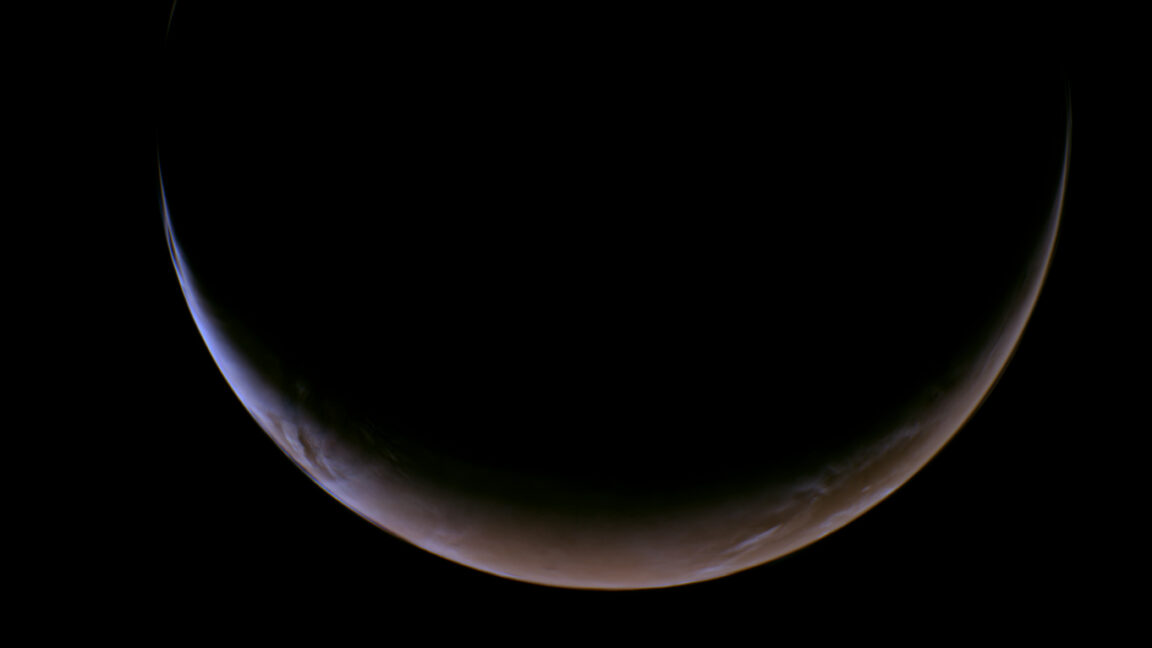
"This flyby was a dress rehearsal for arrival at the asteroid in 2029," said Dr. Lindy Elkins-Tanton, principal investigator of the Psyche mission at Arizona State University. "It gave us a chance to test our instruments and navigation in a real planetary flyby environment."
Mission Timeline and Technical Details
The Psyche spacecraft launched in October 2023 from Kennedy Space Center aboard a SpaceX Falcon Heavy rocket. It is now on a 2.2 billion-mile journey to the asteroid Psyche, a world made largely of iron and nickel that could be the exposed core of an ancient planet.
Using advanced plasma engines, the probe gradually increases its velocity over time. The Mars gravity assist reshaped its orbit around the Sun, placing it on a precise intercept trajectory with the asteroid in the main belt between Mars and Jupiter.
"Every gravity assist is a tense moment," said Henry Brice, navigation team lead at NASA's Jet Propulsion Laboratory. "But the team executed perfectly, and we now have a clear path to Psyche."
Background: Why Psyche Matters
The Psyche asteroid is unique—it may be the exposed metallic core of a planetesimal, a building block of terrestrial planets. By studying it up close, scientists hope to answer fundamental questions about how Earth and other rocky worlds formed.
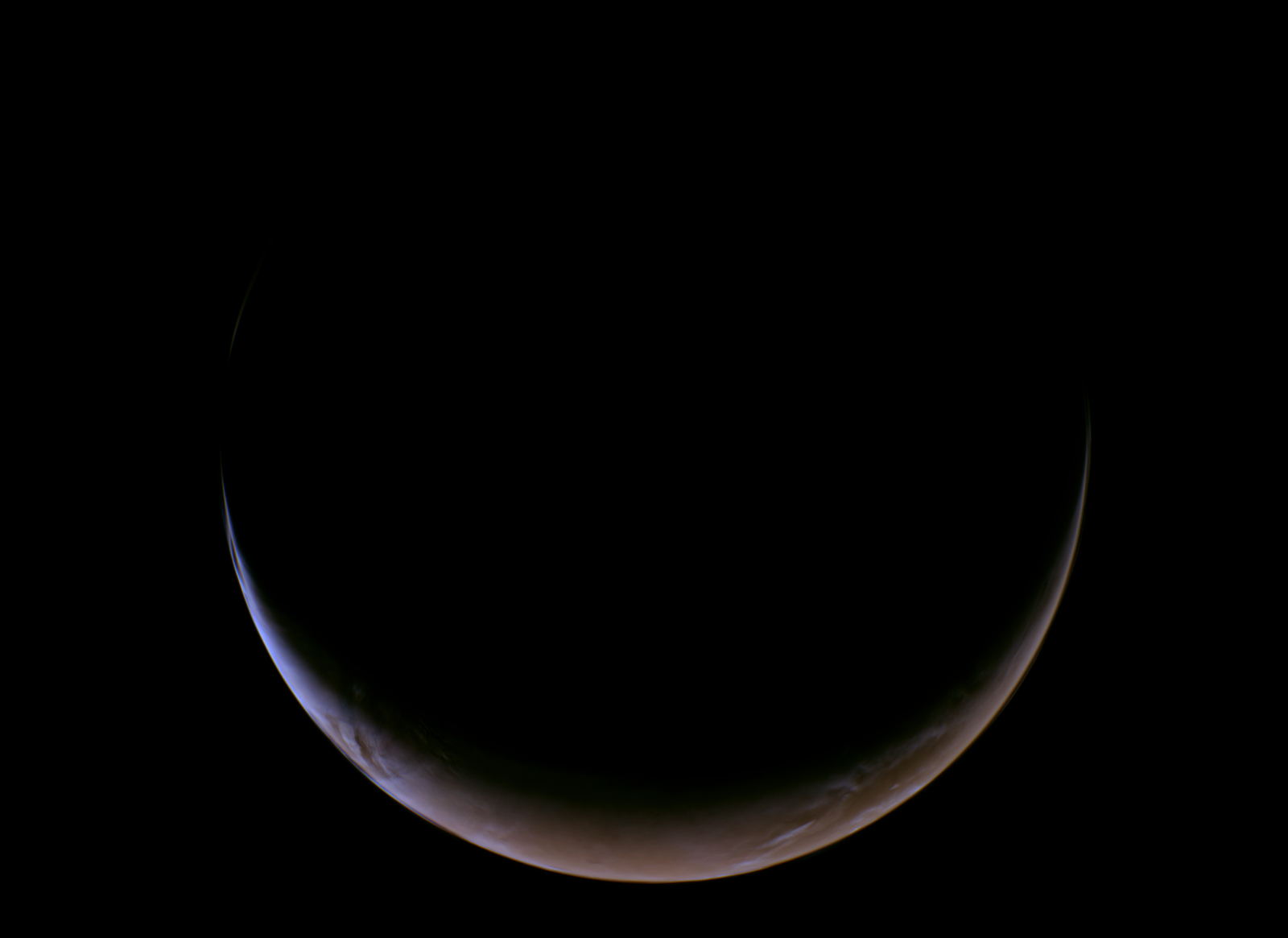
The mission also tests new technologies, including a deep-space optical communications system that transmitted high-definition video from Mars during the flyby. That experiment on its own marks a milestone for interplanetary internet.
"We're essentially looking at a planetary core that is still intact," Elkins-Tanton explained. "There's nothing like it in our solar system that we can visit otherwise."
What This Means
The successful Mars flyby shaves months off the travel time and reduces fuel consumption for the rest of the journey. It also demonstrates that the spacecraft's instruments work in a planetary environment, building confidence for operations at the asteroid.
If all goes according to plan, Psyche will enter orbit around the metal asteroid in August 2029 and spend at least 21 months studying the surface, structure, and composition. The data could rewrite textbooks on planetary formation.
"This is a stepping stone to understanding interiors of planets we will never drill into," said Brice. "Every successful milestone brings us closer to that knowledge."
The spacecraft will continue its cruise phase, passing through the asteroid belt, before its final arrival. NASA expects to release more images and data from the Mars flyby in the coming days. Learn more about the mission background.
Related Articles
- 7 Groundbreaking Revelations About What Triggers Lightning
- Understanding the Amazon's Rainfall Tipping Point: A Step-by-Step Guide to How Deforestation and Climate Change Interact
- How to Optimize Your Python Environment Extension in VS Code: A Step-by-Step Guide
- Rare Sunset Total Solar Eclipse: 10 Hidden Spanish Spots Revealed for August 12 Viewing
- A Step-by-Step Guide to Understanding the Game-Changing Fossil Discovery in Ethiopia
- NASA Astronaut Jessica Meir's Portrait Named Finalist as She Gears Up for 2026 Space Station Mission
- The Fast16 Malware: A Precision Sabotage Tool Uncovered
- Universe's End: New Shooter 'AlteredBlood+' Turns Enemy Blood Into Lifeline