10 Key Facts About Wendy’s Major Store Closures Across America
Wendy's is making headlines for a different reason than its famous square burgers. The fast-food chain has been quietly closing hundreds of locations nationwide as part of a strategic turnaround plan. If you've noticed your local Wendy’s disappearing, you're not alone. Here are 10 essential things to know about this massive restructuring, including which states are hit hardest and what it means for fans of the Baconator.
1. The Numbers: Over 200 Stores Have Closed
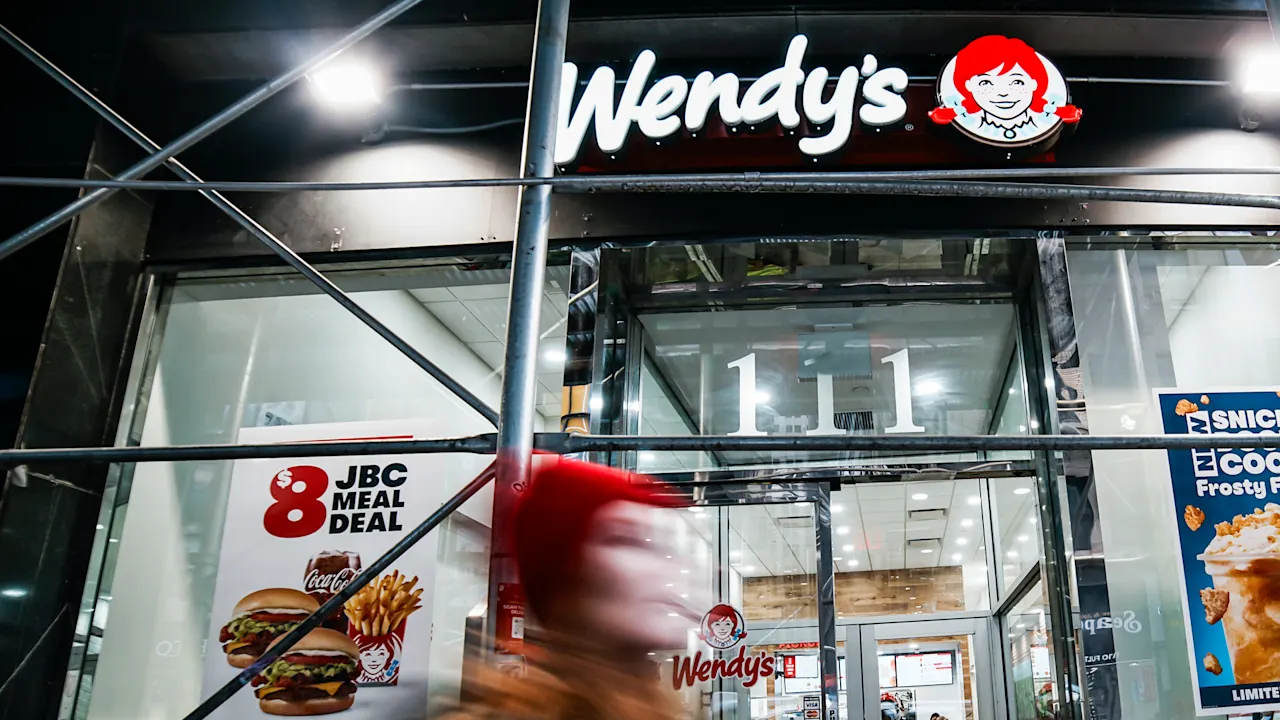
As of early 2026, Wendy’s U.S. footprint has shrunk significantly. The company’s store locator tool lists approximately 5,675 locations—about 200 fewer than the 5,875 listed at the end of September 2025. This isn’t a minor adjustment; it’s a substantial reduction that affects communities coast to coast. The closures began in the fourth quarter of 2025, as part of a previously announced plan to stabilize profits by closing underperforming restaurants.
2. Why the Shutdowns? The Turnaround Plan Explained
On a November 2025 investor call, Wendy’s revealed its strategy: close hundreds of low-performing stores to boost overall profitability. The company aims to strengthen its financial health by trimming dead weight—locations that drag down sales or have high operational costs. This isn't a bankruptcy move; it’s a calculated effort to prune the portfolio and focus on high-traffic, profitable sites. The closures are expected to continue into 2026, with a focus on freeing up capital for remodels and digital upgrades elsewhere.
3. Florida Leads the Loss: 24 Net Store Decline
Florida is taking the hardest hit, with a net loss of 24 stores since September 2025. The state now has around 475 Wendy’s locations. Local news outlets, like the Florida Times-Union, have reported that several restaurants in the Jacksonville area have already been shuttered, with signs being removed. The Sunshine State’s saturation of fast-food options may be a factor, as competition is fierce and real estate costs rise.
4. Texas Not Far Behind: 23 Stores Gone
Texas—the nation’s second-largest Wendy’s market by count—has lost 23 stores, dropping to 431 locations. In the San Antonio region alone, at least five closures have been confirmed by local news outlet mySA. The Lone Star State’s vast geography means these closures are spread across cities and suburbs, possibly reflecting underperformance in older, lower-traffic spots.
5. Illinois Suffers an 18-Store Drop
Illinois has seen a net decline of 18 locations, now totaling 175. This represents a significant percentage loss for a Midwestern state. The closures are likely concentrated in the Chicago metro area and downstate regions where competition from McDonald’s, Burger King, and regional chains is intense. Wendy’s turnaround plan seems to be focusing on markets with overlapping store footprints.
6. Arizona, Colorado, and Ohio Each Lose 10+
Three states share a net loss of 10 stores each: Arizona (90 remaining), Colorado (115), and Ohio (388). Ohio is Wendy’s home state, but even there, underperforming restaurants are being cut. Arizona’s rapid growth may have led to oversaturation, while Colorado’s higher labor costs could be a factor. These double-digit declines demonstrate that no region is exempt from the corporate restructuring.
7. New Mexico’s Small Market Takes a Big Hit
New Mexico now has just 33 Wendy’s locations, down by 8 stores—a massive proportional drop for a small market. With only a handful of stores statewide, losing eight is a major blow. This may indicate that the chain found its New Mexico locations to be particularly unprofitable, perhaps due to low population density and higher logistics costs.
8. The Store Locator: A Window into Real-Time Changes
Wendy’s online store locator is updated frequently, often within days of a closure. For instance, a Connecticut location closed just this week and instantly vanished from the tool. This makes it a reliable—but not official—gauge of the chain’s evolving footprint. The tool currently shows 5,675 U.S. stores, a number that has dropped steadily since the turnaround began. It’s a useful resource for customers checking whether their local Wendy’s is still open.
9. Official Counts vs. Public Data: A Mysterious Discrepancy
While the locator tool paints one picture, Wendy’s official filings with the SEC tell a slightly different story. As of September 27, 2025, the company reported 5,979 U.S. restaurants—more than 100 extra stores compared to the locator at that time. The reason for this gap is unclear. It could be due to timing differences, franchised locations not fully listed, or data lag. Wendy’s did not respond to requests for comment, leaving the discrepancy unexplained.
10. What’s Next for Wendy’s and Its Customers
The closures are part of a broader strategy to improve profitability, but they’re not necessarily permanent. Wendy’s is investing in remodels, digital menu boards, and delivery partnerships. Customers in affected areas may be redirected to nearby locations or face longer drives. For employees, the closures mean potential job losses, though some may be transferred. The chain is likely to continue pruning through 2026, so more closures could be announced. For now, Wendy’s remains a major player—just a leaner one.
In conclusion, Wendy’s decision to shutter hundreds of stores is a bold move to secure financial stability. The states listed above are bearing the brunt, but the chain is betting that a smaller, more efficient footprint will pay off in the long run. If you’re a loyal customer, it might be worth checking your local store’s status—before it’s too late to grab that last Frosty.
Related Articles
- IntelliJ IDEA 2025.3.5 Delivers Smarter Spring Development and Performance Gains
- Cline Unveils Open-Source SDK: A Modular Agent Runtime Powering Cross-Platform Development
- Autonomous AI Agents Emerge as New Security Threat in Enterprise Systems
- Microsoft Launches Unified Python Environments Extension for VS Code – General Availability Now
- Building Resilient Agentic Systems: Overcoming File-Based Limitations and Context Collapse
- The GUARD Act Revised: A Practical Guide to Understanding Its Ongoing Risks
- The Block Protocol: Making Web Blocks Universal and Reusable
- The Hidden Cost of AI-Driven Efficiency: Losing Human Connection at Work