10 Key Insights into Microsoft's Windows 11 'Low Latency Profile' Controversy
When Microsoft quietly introduced a new 'Low Latency Profile' for Windows 11 last week, few anticipated the firestorm that followed. The community quickly voiced concerns, accusing the tech giant of sidestepping a deeper performance issue. In response, Microsoft has taken to social media to defend the feature, arguing it mirrors standard practices across all major operating systems. Here are ten essential things you need to know about this ongoing debate.
1. What Is the Low Latency Profile?
The Low Latency Profile is a new power management setting in Windows 11 designed to reduce input and processing delays. By allowing the CPU to boost its clock speed more aggressively during latency-sensitive tasks—such as gaming or real-time audio processing—the profile aims to deliver snappier responses and faster load times. It sits alongside existing performance modes but targets micro-level interruptions that can cause perceptible lag.
2. How Was It Discovered?
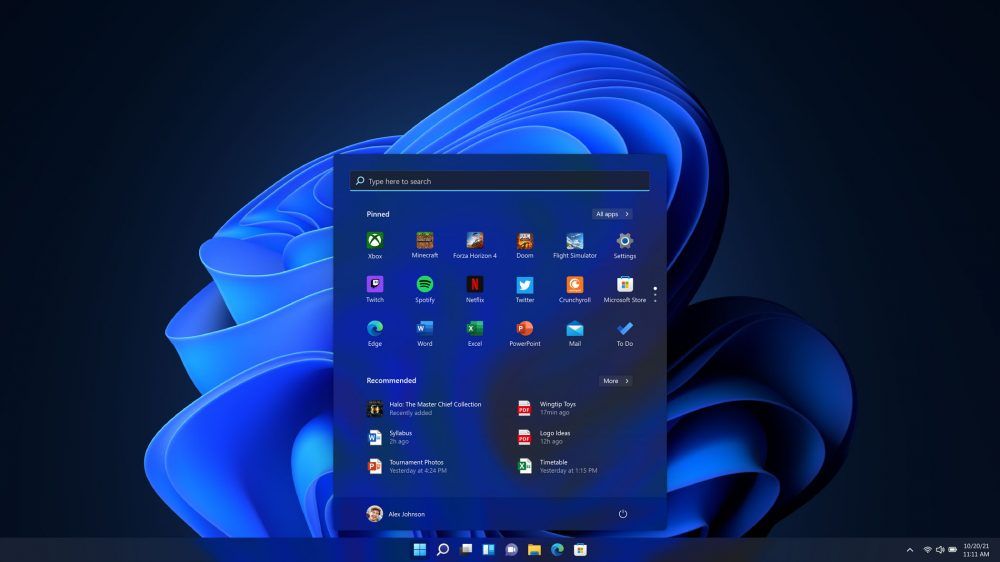
Observant users and tech enthusiasts first noticed the profile in a recent Windows 11 Insider build. It appeared as a hidden option within the advanced power settings, labeled simply as 'Low Latency Profile' with no detailed documentation. The discovery quickly spread across forums like Reddit and X, sparking intense curiosity—and skepticism—about its true purpose and potential side effects.
3. Why the Community Backlash?
Critics argue that Microsoft is masking a larger problem: inherent latency in Windows 11 that should be addressed at the system level rather than patched with a toggle. Many users report that the profile can cause instability, increased power draw, or uneven performance on certain hardware. Others worry it gives an unfair advantage to those who know it exists, while average users remain unaware of how to optimize their systems.
4. Microsoft’s Defense: “Every OS Does This”
In response, Microsoft representatives have stated that the Low Latency Profile is not groundbreaking. They emphasize that Linux and macOS already implement similar CPU-boosting behavior to minimize latency in critical tasks. The goal, Microsoft claims, is to bring Windows 11 in line with industry norms—not to hide flaws. They also note that the profile is off by default and requires manual activation, putting control in the user’s hands.
5. How Do Other Operating Systems Compare?
Linux distributions use the cpufreq subsystem and real-time kernel patches to prioritize latency-sensitive threads. macOS leverages its tightly integrated hardware/software stack to dynamically boost CPU clocks for audio and video workflows. While these approaches achieve similar ends, they are often more transparent and configurable than Windows’ latest profile, according to developers who work across platforms.
6. Technical Impact: CPU Boosting and Power Consumption
Enabling the Low Latency Profile can cause the CPU to remain at higher clock states for extended periods, increasing energy usage and heat output. For laptop users, this may reduce battery life. However, for desktop gaming rigs with adequate cooling, the trade-off can be worthwhile—shaving milliseconds off frame times and input delay. The profile interacts with existing Turbo Boost and Precision Boost technologies, sometimes overriding their default behavior.
7. Who Benefits Most?
Gamers and real-time audio professionals stand to gain the most. Competitive titles like first-person shooters or rhythm games require the lowest possible input lag. Similarly, digital audio workstations (DAWs) depend on consistent low latency to prevent clicks and dropouts. But even for these groups, results vary: early benchmarks show improvements of 5–15% in latency reduction, but with inconsistent stability across different CPU architectures.
8. Is Microsoft Suppressing a Bigger Issue?
The most vocal critics suggest that the Low Latency Profile is a band-aid for deeper problems in Windows 11’s scheduler and driver model. They argue that instead of offering a quick toggle, Microsoft should overhaul how the OS handles interrupt handling and thread scheduling. However, such a change would be massive and risk breaking compatibility with thousands of applications—something Microsoft seems unwilling to tackle in a single update.
9. What’s Next for This Feature?
Microsoft has indicated that the Low Latency Profile may become a standard part of Windows 11’s power options after further testing. Future Insider builds will include more detailed descriptions and possibly per-application settings. The company is also monitoring feedback closely; if the backlash persists, we might see additional transparency about what the profile actually changes under the hood.
10. Expert Opinions and Long-Term Implications
Hardware reviewers and system architects are split. Some applaud Microsoft for finally addressing a long-standing request from power users. Others worry that the profile could fragment the user experience—especially if game developers start assuming it is always enabled. The broader takeaway: this controversy highlights the tension between offering advanced tweaks and maintaining a simple, stable OS for billions of users.
Conclusion: The Low Latency Profile reveals a classic dilemma in modern computing—how to balance performance transparency with user-friendly design. While Microsoft’s defense that other OSes do the same holds some truth, the community’s concerns about deeper issues remain valid. As Windows 11 continues to evolve, this feature may either become a beloved power-user tool or a footnote in the OS’s ongoing latency saga. Stay tuned for further updates as Microsoft refines its approach.
Related Articles
- 10 Design Lessons from Vienna's Intellectual Circle for a More Amiable Web
- The Aspekt Touch Monitor Offers a Glimpse into a Touchscreen Mac Future
- 10 Reasons Why the AI Debate Is Pushing Everyone Over the Edge
- OpenSearch’s Leap into AI: How Versions 3.5 and 3.6 Transform Vector Search and Agent Memory
- 10 Reasons the 'Date Cancelled' Meme Became a Dating Culture Phenomenon
- One Tennessee Farmer Stands Ground Against Power Giant, Halting AI Data Center Power Line
- How to Build a Multi-Agent System for Smarter Advertising
- How to Navigate the Debate on Social Media Bans and Protect Digital Rights