HarmonyOS Hits 55 Million Devices: What It Means for Huawei and Open Source
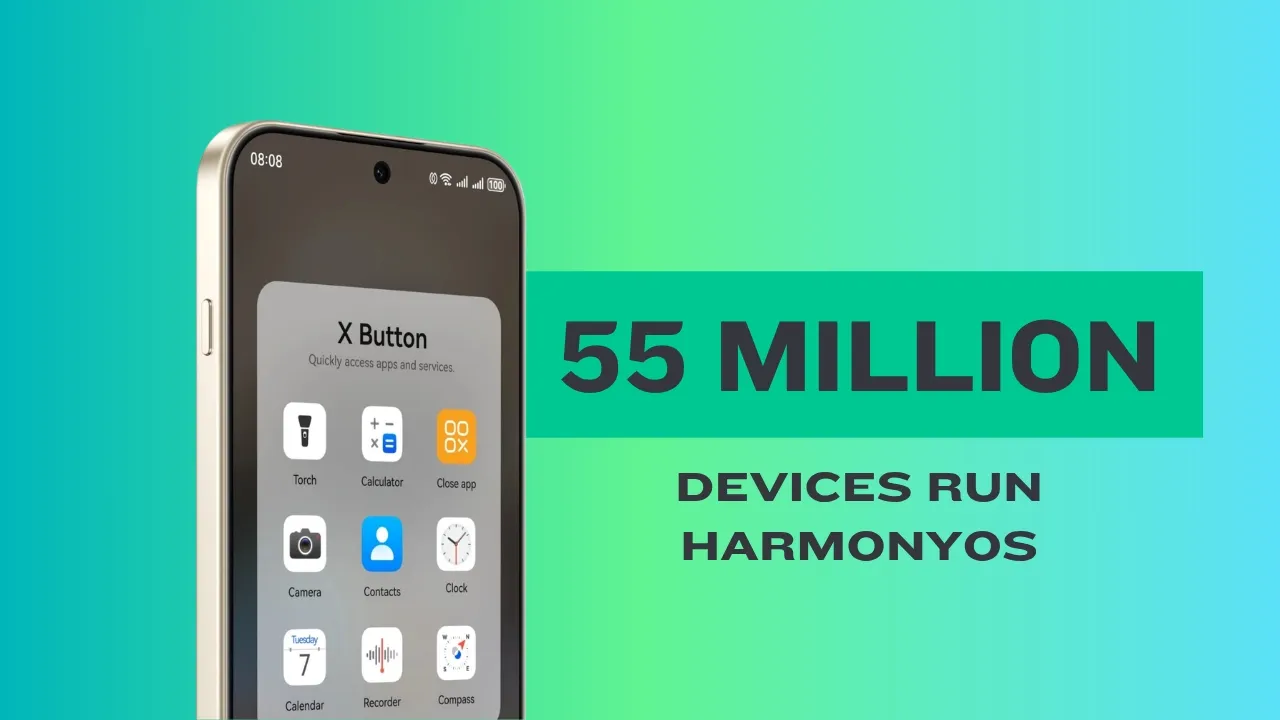
Huawei's HarmonyOS has quietly become a major player in the mobile operating system landscape, especially in China. As of early 2026, over 55 million devices run HarmonyOS, a number that surged by 23 million in just six months. This growth reflects broader trends: rising adoption of domestic software, improved user experience, and fierce competition with Apple and Android. But what's behind this success, and how does it affect the open-source community? Let's explore key questions about HarmonyOS and its future.
How Did HarmonyOS Reach 55 Million Devices?
HarmonyOS's rapid adoption stems from Huawei's strategic push and the improving quality of its software. Executive Director Yu Chengdong announced the milestone as of March 2026, with 23 million new devices added in under six months. This growth is fueled by Huawei's expanding lineup of affordable, feature-rich devices — from smartphones to tablets and laptops. Additionally, a surge in Chinese consumers choosing domestic operating systems has accelerated adoption. HarmonyOS offers fluid animations, better battery life, and AI-powered features that rival Western counterparts. The combination of competitive hardware, regular updates, and a growing native app ecosystem makes HarmonyOS a compelling alternative to iOS and Android, especially in price-sensitive markets.
What Standout Features Does HarmonyOS 6 Offer?
HarmonyOS 6 brings several improvements that explain its popularity. Key highlights include:
- Fluid animations with glass-like UI elements that mimic premium devices.
- Ark Engine performance boost — APIs optimized for multimedia and gaming, resulting in smoother graphics and extended battery life.
- AI assistant tools for scheduling, camera depth-of-field, and focus adjustments with a single touch.
- StarShield Security Architecture for enhanced anti-scam and privacy features.
- Wider native third-party app adaptions, reducing reliance on Android app compatibility.
These features address common pain points — lag, battery drain, and security concerns — making HarmonyOS a serious contender in the OS wars.
Is HarmonyOS Truly Open Source?
HarmonyOS is built on OpenHarmony, an open-source mobile OS base similar to Android's AOSP. This foundation allows developers to contribute to the kernel and related projects like EulerOS. However, HarmonyOS itself adds many proprietary layers, including the Ark compiler and custom UI elements. Additionally, documentation is largely in Chinese, limiting global accessibility. While the open-source community can benefit from core contributions, the full HarmonyOS experience remains closed. Huawei also actively encourages projects to adopt HarmonyOS, sometimes criticized as spamming — a tactic seen as necessary to grow the ecosystem but intrusive by some.
How Does HarmonyOS Impact the Open-Source Community?
The mass adoption of HarmonyOS drives more contributions to the OpenHarmony kernel, since its user base now provides real-world testing and usage feedback. Related projects, such as EulerOS, have also seen growth. However, the proprietary layers mean full transparency is lacking. Some open-source advocates worry about Huawei's aggressive outreach — reaching out to projects with requests to switch to HarmonyOS, which some call intrusive. On the other hand, supporters argue that such tactics are necessary to build app and service support quickly. Overall, while HarmonyOS boosts open-source infrastructure, its hybrid nature keeps it from being a pure poster child for FOSS.
Can HarmonyOS Challenge Apple and Google?
With 55 million devices, HarmonyOS has already carved out a significant niche, but challenging the Apple/Google duopoly globally is tougher. In China, it's a strong competitor, especially with affordable devices. The new features and improved security give consumers more choice, which benefits everyone by spurring innovation. Yet, the lack of a global app ecosystem and limited international hardware availability remain barriers. For now, HarmonyOS is most influential in domestic markets, but its growth signals that alternatives to iOS and Android are viable. As Huawei continues to improve software and expand device range, the duopoly may face increased pressure.
What Are the Criticisms of HarmonyOS?
Despite its success, HarmonyOS faces valid criticisms. The main issues are:
- Proprietary layers: The Ark compiler and UI are not open, reducing transparency.
- Chinese-first documentation: Language barrier limits global developer participation.
- Aggressive recruitment: Some projects report unsolicited pushes from Huawei to adopt HarmonyOS, seen as spammy.
- App ecosystem still maturing: While native apps grow, many users still rely on Android compatibility mode.
These drawbacks don't erase HarmonyOS's achievements, but they show that Huawei's strategy balances open-source ideals with commercial control. Critics argue that true openness would benefit the community more, while Huawei prioritizes ecosystem growth.
Related Articles
- Inside the Courtroom Shocker: Musk vs. Altman Trial Takes an Unexpected Turn
- 10 Key Highlights of Mesa 26.1 for Open-Source Graphics Enthusiasts
- Safari Technology Preview 242: What's New and Fixed?
- Orion for Linux Beta 0.3 Brings Integrated Content Blocker and Download Manager
- Spotify's Green Verification Badge: Ensuring You're Listening to Real Artists
- Cloud Gaming Gets Gritty: 'Samson: A Tyndalston Story' Debuts on GeForce NOW
- How to Determine Whether Humans Are Genetically Closer to Cats or Dogs
- From Viral Puzzle to TV Sensation: A Step-by-Step Guide to Media IP Transformation (The Wordle Blueprint)