gThumb 4.0 Alpha: A Dramatic Visual Overhaul and New Features
Welcome to the exciting update of gThumb, the open-source image viewer and organiser. The latest alpha build of version 4.0 introduces a complete rewrite in Vala and a port to GTK4 with libadwaita, resulting in a visual transformation that makes the app almost unrecognisable from its predecessor. Alongside this modern interface, gThumb now supports WEBP and PNG animations, allows export in the JXL format, and adds a censor filter for pixelating or blurring parts of images. Below, we answer the most pressing questions about this major release.
1. What is gThumb and what major update is it receiving?
gThumb is a powerful, open-source image viewer and organiser for Linux, renowned for its simplicity and versatility. The gThumb 4.0 alpha marks a monumental leap forward: the entire application has been rewritten in the Vala programming language and ported to GTK4 with the libadwaita design library. This isn't just a minor facelift—it's a ground-up modernisation that changes the look and feel drastically. While still in alpha, this build offers a sneak peek at a future where gThumb feels right at home on modern GNOME desktops. The update also brings a handful of new capabilities you won't find in older versions.

2. How does the new gThumb 4.0 look different from the old version?
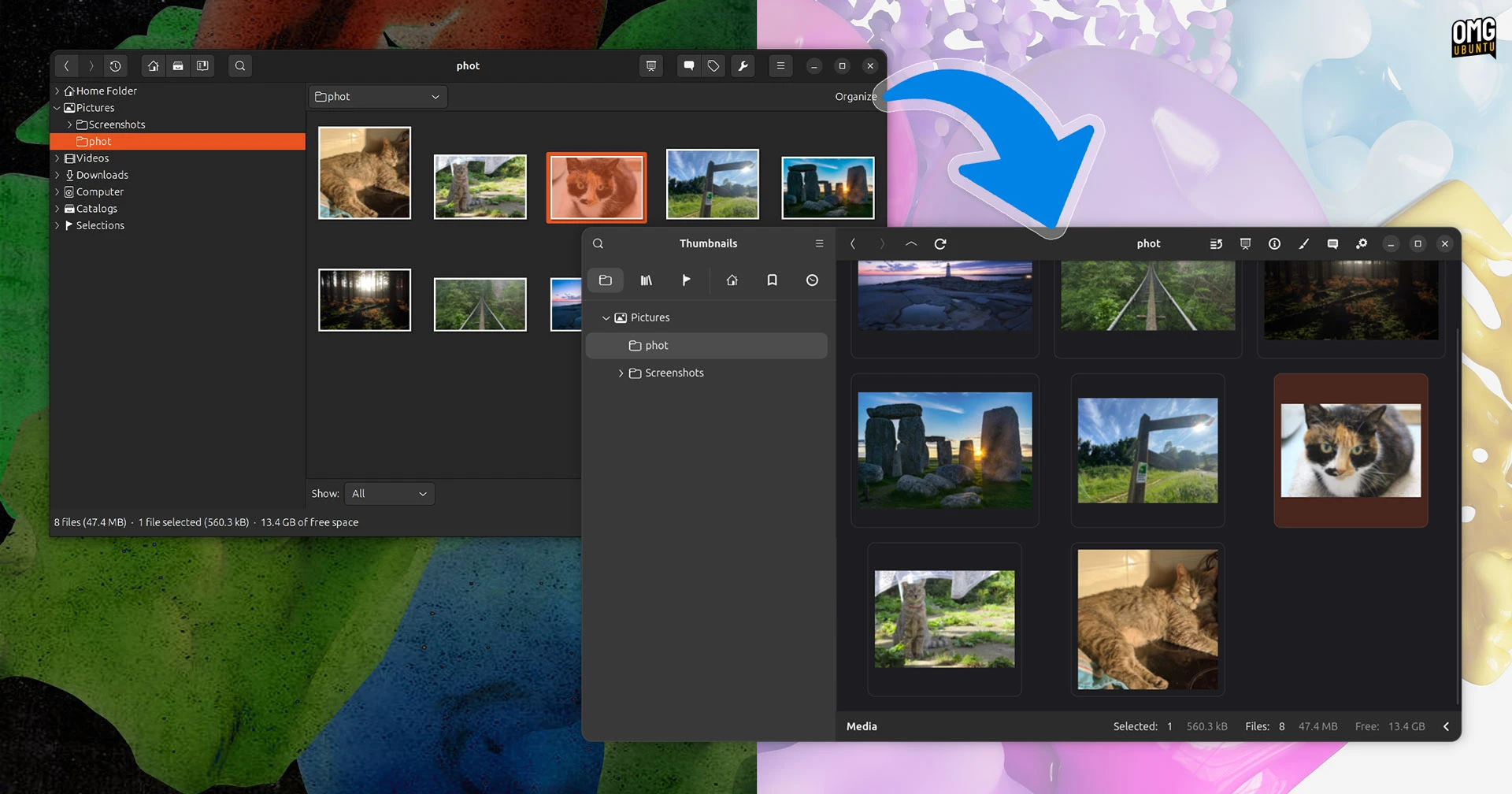
If you're used to the old gThumb, prepare for a shock. The GTK4/libadwaita port introduces a sleek, contemporary interface that adheres to GNOME's human interface guidelines. Toolbars and menus have been streamlined, adopting adaptive layouts and smoother animations. The sidebar now uses modern list views, and the image viewer area feels cleaner with more consistent spacing. libadwaita brings automatic theming, so gThumb natively supports light and dark modes without manual tweaking. Overall, the app looks polished and integrated—like it was always meant to be part of a modern Linux desktop. While any GTK3-to-GTK4 port gains some modernity, gThumb's transformation goes beyond mere automation, delivering a deliberate, user-friendly redesign.
3. What new image format support does gThumb 4.0 bring?
gThumb 4.0 expands its format arsenal significantly. It now supports WEBP animations (the animated WebP format common on the web) and PNG animations (APNG), allowing you to view and manage dynamic images seamlessly. Additionally, you can export images in the JXL format (JPEG XL), a next-generation compression standard that offers better quality and efficiency compared to traditional JPEG. This is particularly useful for high-dynamic-range images and lossless compression needs. These additions make gThumb more versatile for modern media workflows, especially for users dealing with web graphics or high-quality photography.
4. How does the censor filter work and why is it useful?
Another new feature is the censor filter, which lets you pixelate or blur selected parts of an image. This is ideal for anonymising faces, license plates, or sensitive information before sharing screenshots or photos. The filter works by selecting a region and applying one of two effects: a blocky pixelation or a smooth Gaussian blur. You can adjust the intensity to suit your privacy needs. While such tools exist in dedicated editors, having it directly inside an image viewer like gThumb speeds up quick edits without launching a full application. It's a thoughtful addition for privacy-conscious users and content creators.
5. What programming language and toolkit changes underpin this update?
Under the hood, gThumb has been rewritten in Vala, a language that compiles to C and provides high-level abstractions for GTK development. This rewrite allowed the developers to clean up the codebase and take advantage of Vala's modern features. More importantly, the switch from GTK3 to GTK4 with libadwaita completely overhauls the UI framework. GTK4 introduces better rendering, widget hierarchies, and gesture handling, while libadwaita provides consistent visual styling, adaptive layouts, and built-in theming. Together, they modernise gThumb's interface and make it more maintainable going forward. Users will notice smoother interactions and a more responsive feel, especially on high-DPI displays.
6. When can users test gThumb 4.0, and is it stable?
An alpha build of gThumb 4.0 is already available for testing. However, as an alpha, it is not yet stable and may contain bugs or missing features. The developers recommend it for adventurous users who want to preview the upcoming changes and help identify issues. You can download it from the official gThumb website or build from source. Keep in mind that production workflows should continue using the stable GTK3-based version for now. The final release date is not set, but public testing will help shape a polished final product.
7. What is libadwaita and how does it affect gThumb's appearance?
libadwaita is GNOME's official library for building adaptive, modern applications. It replaces the older Adwaita theme engine and provides a cohesive set of widgets, transitions, and visual styles. By adopting libadwaita, gThumb automatically gains a unified look with other GNOME apps, supports automatic theme switching, and benefits from accessibility improvements. The library also enforces design standards like proper header bars, responsive layouts, and touch-friendly interactions. For gThumb, this means the app no longer feels like a standalone tool but a natural part of the GNOME ecosystem. Visual elements such as buttons, sliders, and lists now share the same sleek appearance found in apps like Files and Settings.
Related Articles
- German Government Boosts KDE with €1.28M Grant to Supercharge Plasma Desktop and Linux Frameworks
- Fedora GNOME Bug Reports Face Monitoring Crisis: FESCo Tweaks Policy Amidst User Backlash
- Fedora Linux 44: Key Updates for Atomic Desktop Users
- Linux News Roundup: New Projects Folder, Ubuntu LTS, Fedora 44, and More
- Securing the Kernel: Fedora's Strategy Against Modern Vulnerabilities
- Critical Security Patches Rolled Out Across Major Linux Distributions
- Linux Kernel Maintainer Deploys AI Fuzzing Tools 'gkh_clanker' to Hunt Bugs
- Fedora Linux 44: Enhanced Atomic Desktop Experience for Silverblue, Kinoite, and More