Implementing Honda Mobile Power Pack e: Battery Swap for Your Fleet – A Business Guide
Overview
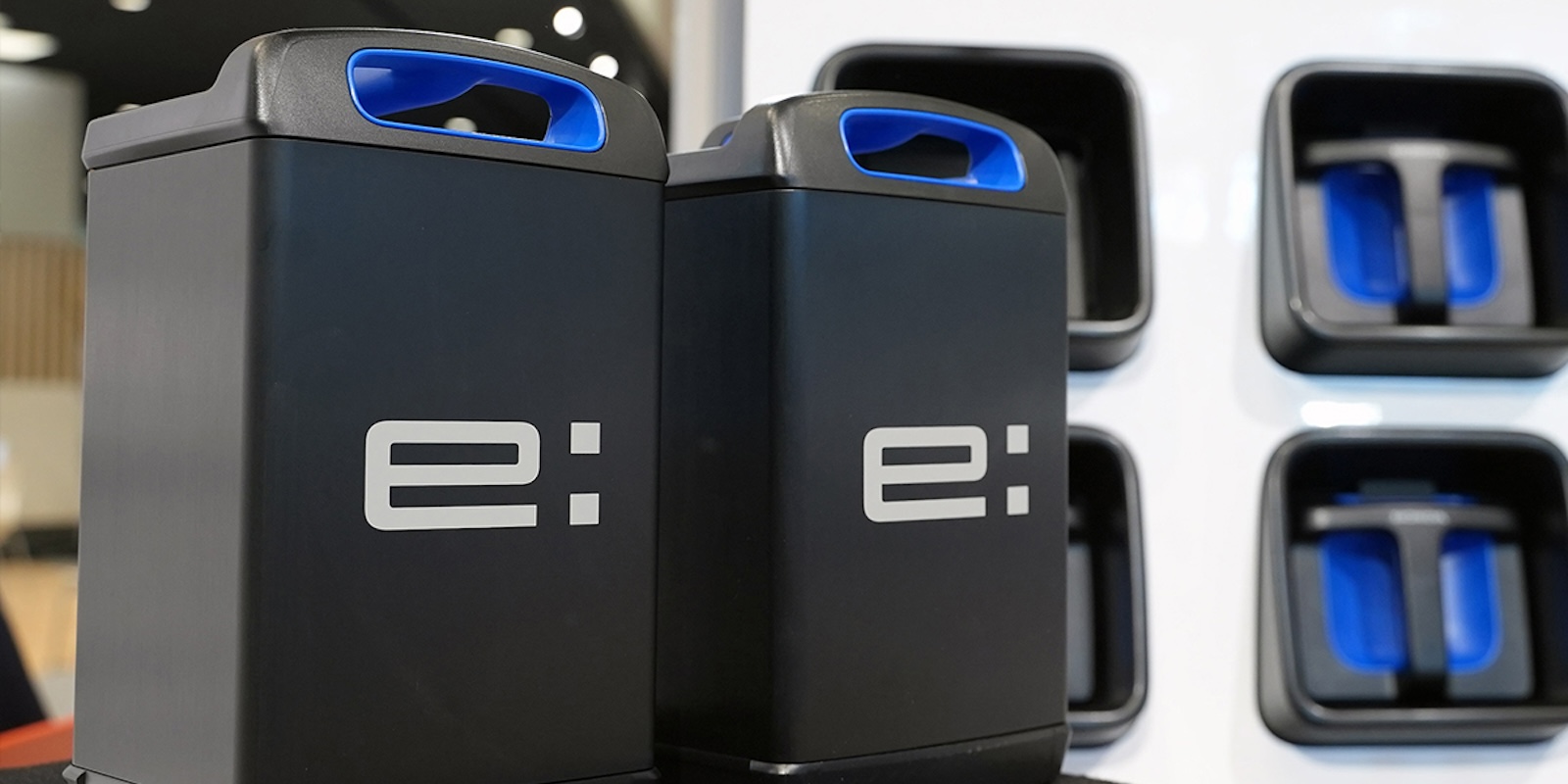
Honda is bringing its Mobile Power Pack e: swappable battery system to the United States, with commercial (B2B) integrations expected to start as early as June 2026. Announced at the Advanced Clean Transportation (ACT) Expo, this technology allows electric vehicles, particularly light commercial fleets, to exchange depleted batteries for fully charged ones in minutes—reducing downtime and eliminating the need for lengthy charging stops. For businesses managing delivery vans, last-mile logistics, or utility vehicles, this guide walks you through everything you need to know to prepare for and implement Honda’s battery swap ecosystem. From understanding the core components to planning your infrastructure, we cover the prerequisites, step-by-step integration, and common pitfalls to avoid.
Prerequisites
Before diving into implementation, ensure your organization meets these foundational requirements:
- Fleet Compatibility: Your vehicles must be designed or retrofitted to accept the Mobile Power Pack e: modules. Currently, Honda targets light commercial vehicles, but partnerships with other OEMs are likely. Check with Honda for a list of supported models.
- Charging Infrastructure: You need space for one or more Power Pack e: Swap Stations. These stations charge multiple batteries simultaneously and require 3-phase AC power (208/480V) and a concrete pad of at least 10x10 feet per station.
- Battery Pool Agreement: You must enter a service contract with Honda for battery leasing/swapping, which includes ownership of the batteries (they remain Honda’s property) and per-swap fees.
- Software Integration: Your fleet management system must interface with Honda’s cloud platform to track battery usage, swap history, and energy consumption. API documentation is available from Honda.
- Staff Training: Operators need to understand the swap procedure (typically under 5 minutes) and safety protocols.
Step-by-Step Implementation Guide
1. Assess Fleet Suitability and Select Vehicles
Analyze your fleet’s duty cycles: vehicles that operate long hours with high mileage benefit most from battery swap. For example, a delivery van driving 6–8 hours daily could lose 2+ hours to charging; with swap, the same operation takes 5 minutes. Create a list of candidate vehicles based on daily range utilization and available swap station locations. Contact Honda’s B2B division to obtain official compatibility lists and battery specifications (Mobile Power Pack e: each module capacity: ~1.3 kWh; typical van requires 5–7 modules).
2. Plan Your Swap Station Infrastructure
Each Power Pack e: Swap Station holds 120 batteries (20 on charge at a time, 100 stored) and can serve dozens of swaps per day. Site planning steps:
- Identify high-traffic routes or depots where swap stations can serve multiple vehicles.
- Ensure electrical capacity: 50 kW per station, with potential expansion.
- Obtain local permits for outdoor equipment (zoning, electrical).
- Prepare a weatherproof foundation (concrete slab with drainage).
- Install networking (Ethernet or 5G) for real-time data sync.
Pro tip: Start with one station as a pilot to validate usage patterns before scaling.
3. Partner with Honda and Sign Service Agreement
Honda offers two primary models: direct OEM integration for Honda-built vehicles or aftermarket kits for selected third-party vehicles. You’ll sign a Battery Swap Service Agreement that covers:
- Battery leasing fees (monthly per vehicle or per swap).
- Station maintenance and software updates.
- Performance guarantees (e.g., 90% battery health retention).
- Data access for fleet management.
4. Integrate Fleet Management Software
Honda provides an API for real-time battery status, swaps, and alerts. Your IT team must:

- Obtain API keys from Honda Developer Portal.
- Authenticate via OAuth 2.0 (set up a service account).
- Create endpoints to fetch battery levels and swap history.
- Integrate with your route planning software to pre-book batteries during peak hours.
Sample API call (pseudo-code): POST /api/v1/swap/reserve { "station_id": "US001", "vehicle_id": "VAN-12", "modules": 7 }
5. Train Staff and Conduct Pilot Runs
Develop a training program covering:
- Swap procedure: Park vehicle, release battery tray, insert fully charged modules, lock and confirm via mobile app.
- Safety: Handling batteries (weight ~10 kg per module), fire extinguisher placement, emergency shutoff.
- Troubleshooting: Common error codes and how to contact support.
Run a 2-week pilot with 3–5 vehicles collecting swap time, battery usage, and driver feedback. Adjust training based on results.
6. Deploy and Monitor Performance
After pilot success, expand to your full fleet. Continuously monitor KPIs:
- Average swap time (target < 5 minutes).
- Battery availability (no empty station slots during peak).
- Cost per mile vs. charging.
Use Honda’s dashboard to schedule battery health checks and order new modules as needed.
Common Mistakes to Avoid
- Underestimating space requirements: Swap stations need clear vehicle access and battery storage. Don’t cram them in tight spaces.
- Ignoring battery lifecycle costs: While you lease batteries, per-swap fees add up. Optimize swap frequency to avoid unnecessary operations.
- Neglecting software updates: Honda’s platform evolves; failing to update can lead to incompatibility with newer batteries.
- Overlooking peak demand: If your fleet swaps all at once (e.g., end of shift), you may run out of charged batteries. Stagger swap times or install multiple stations.
- Skipping pilot testing: Assumptions about driver behavior often fail. A small pilot reveals real-world friction.
Summary
Honda’s Mobile Power Pack e: is poised to revolutionize B2B electric fleets by enabling rapid battery swaps, cutting downtime to minutes. From assessing vehicle compatibility to deploying swap stations and integrating software, this guide outlined the six critical steps for implementation. Common pitfalls include inadequate space planning, ignoring lifecycle costs, and skipping pilot tests. With careful preparation, your fleet can leverage Honda’s technology by mid-2026, reducing operational costs and accelerating electrification. For further details, consult Honda’s official B2B portal or attend upcoming industry events like ACT Expo.
Related Articles
- Q&A: Why Did Nordic Electric Car Sales Hit a New High in April?
- Rivian Secures $4.5 Billion DOE Loan for Georgia EV Factory Despite Policy Uncertainty
- Chery Electric Vehicles Set to Enter Canada: What You Need to Know
- UK Slashes Green Climate Fund Pledge, Loses Top Donor Status
- Dart and Flutter's AI Strategy: 5 Key Insights for 2026
- Harmonizing Land Use: A Unified Approach to Tackle Global Food, Energy, and Conservation Conflicts
- Autonomous Electric Freight Startup Hits the Road: A New Era for Trucking
- Retro-Inspired Orion PDA Launches on Crowdfunding: Solar-Powered, Sunlight-Readable, and Pocket-Sized