DNA Evidence Unlocks Identities of Four More Sailors from Franklin's Lost Arctic Voyage
Introduction
More than 175 years after the ill-fated Franklin expedition vanished into the Arctic ice, forensic science continues to shed light on the tragedy. Using advanced DNA analysis, archaeologists have identified four additional crew members from the recovered remains of the 129 men who perished. These new findings, detailed in two separate studies—one published in the Journal of Archaeological Science and another in Polar Record—add to a growing list of victims who have been named, bringing closure to a mystery that has captivated historians and the public alike.
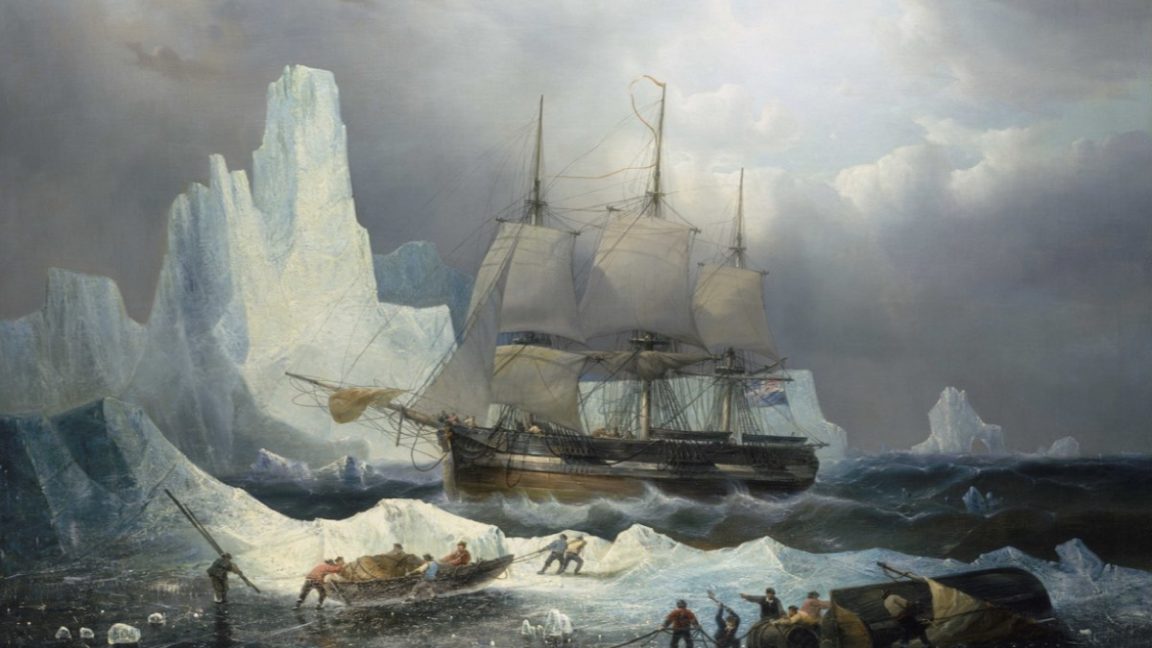
The Ongoing Genetic Investigation
The Franklin expedition, commanded by Captain Sir John Franklin, set sail from England in May 1845 with two ships, HMS Erebus and HMS Terror, aiming to chart the Northwest Passage. Both vessels became trapped in ice near King William Island in September 1846, and all crew members eventually died from causes ranging from starvation to disease. Over the decades, dozens of skeletal remains have been recovered from various sites along the island's coastline and nearby areas.
How DNA Is Extracted from 19th-Century Remains
Modern forensic techniques allow scientists to extract and amplify tiny fragments of DNA from bones and teeth that have been exposed to harsh Arctic conditions for over a century. Researchers compare these genetic profiles with samples from living descendants of the crew members, using historical records and genealogical databases to narrow down matches. The process is painstaking, requiring contamination controls and multiple rounds of verification, but it has proven remarkably effective.
Four New Identifications
The latest identifications bring the total number of Franklin crew members identified by DNA to more than a dozen. The newly named individuals include sailors and officers whose remains were recovered from graves on King William Island and from the site of the famous Erebus Bay boat camp. Their identities were confirmed through DNA matches with descendants from the United Kingdom, Canada, and elsewhere.
The Published Studies
The first paper, in the Journal of Archaeological Science, focuses on genetic analysis of remains from multiple locations on King William Island, while the Polar Record study adds a detailed genealogical context for the matches. Together, they illustrate the power of interdisciplinary research, combining archaeology, ancient DNA analysis, and historical documentation. The authors emphasize that each new identification helps to piece together the crew's final days and provides a more nuanced understanding of the disaster.
Historical Context: The Fate of the Crew
Historical accounts, pieced together from surviving notes and Inuit testimony, describe a tragic series of events. After wintering on Beechey Island in 1845–1846, where three crew members died and were buried, the expedition sailed into Victoria Strait. The ships became icebound in September 1846. Franklin himself died on June 11, 1847, as recorded in a note left by Captain James Fitzjames, who then assumed command. Fitzjames led the survivors on a desperate overland trek southward, but none survived.
The Doomed Journey
Recent archaeological excavations have uncovered clothing, tools, and human remains that paint a grim picture of starvation, lead poisoning (from faulty canning), and cannibalism. DNA testing helps to separate fact from speculation, confirming which individuals were present at various campsites. For example, remains from a site near Erebus Bay—the location of the infamous 'boat camp'—have now been linked to two of the newly identified men, offering clues about the social structure during the final months.
Significance of These Findings
Beyond satisfying historical curiosity, the DNA identifications have profound implications for descendants, many of whom have struggled to learn the fates of their ancestors. Each match restores a name and a personal story to what might otherwise remain anonymous bones. The research also highlights the resilience of human DNA in cold environments, with potential applications for other archaeological mysteries in polar regions.
Closing the Gaps in History
The Franklin expedition has long been a symbol of Victorian exploration and tragedy. With every new identification, the scientific community moves closer to a complete roster of the lost crew. As of now, the work continues: more than a hundred individuals remain unidentified, but the success of the DNA approach gives hope that many more names will be recovered from the ice. These studies demonstrate that even the oldest of mysteries can yield to modern science, offering a measure of dignity to those who perished.
In summary, the identification of four more crew members through DNA analysis not only advances the historical narrative but also provides a template for how genetics can solve long-standing archaeological puzzles. The combination of careful fieldwork, cutting-edge lab techniques, and genealogical detective work ensures that the legacy of the Franklin expedition will continue to evolve.
Related Articles
- Critical PAN-OS Zero-Day Under Active Exploitation: Urgent Patch Required
- Critical Zero-Day in Palo Alto Networks PAN-OS Captive Portal Allows Remote Code Execution Without Authentication
- Surge in Exploit Activity Targets Microsoft Office, Windows, and Linux in Q1 2026: New Vulnerabilities Drive Threat Landscape
- How to Identify and Mitigate the Critical GitHub CVE-2026-3854 Remote Code Execution Vulnerability
- Critical Linux Kernel Flaw 'Copy Fail' Grants Stealthy Root Access – Millions at Risk
- Former Ransomware Negotiators Sentenced to Prison for Involvement in BlackCat Cyberattacks
- 10 Critical Insights Into the TeamPCP npm Supply Chain Attack
- How Russian Hackers Exploited Obsolete Routers to Hijack Microsoft Office Authentication