How Prediction Markets Are Betting on Hantavirus: A Step-by-Step Guide
Overview
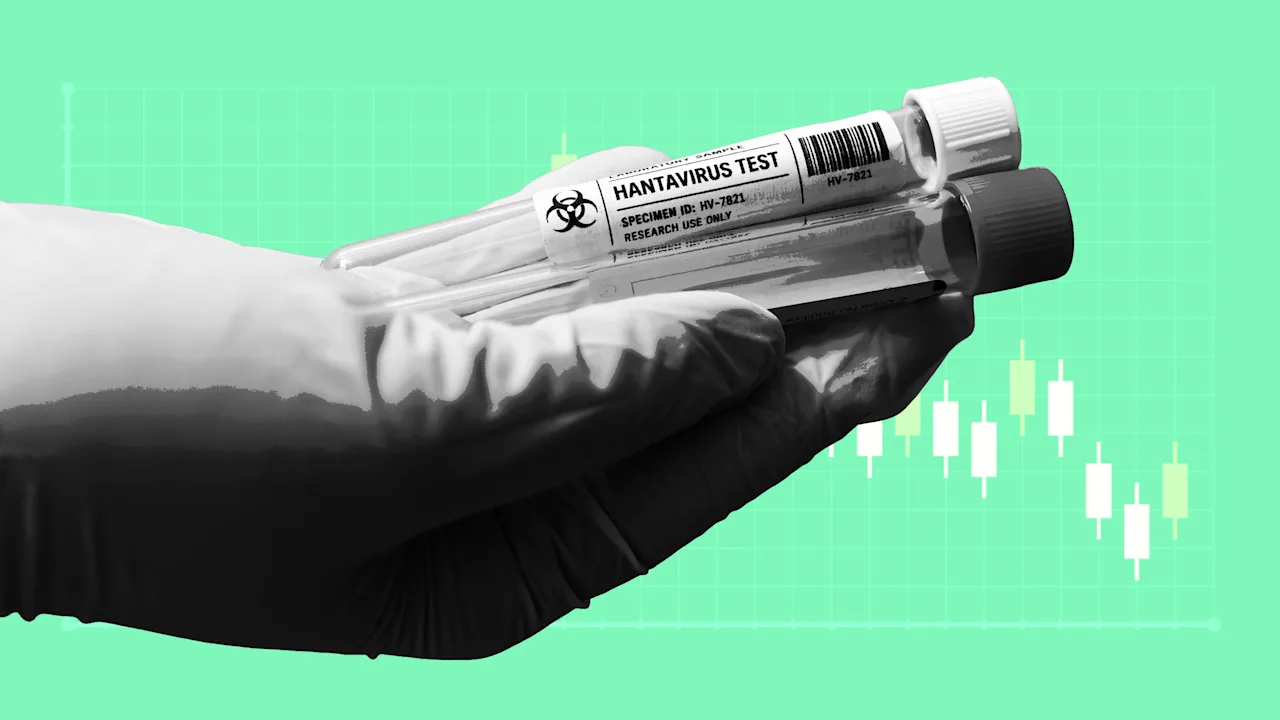
In the wake of a hantavirus outbreak aboard an Oceanwide Expeditions cruise in the Atlantic, where multiple passengers tested positive and at least three died, prediction markets have turned their attention to this rare but severe rodent-borne disease. Platforms like Polymarket and Kalshi allow users to wager on the likelihood of a larger outbreak, with millions of dollars already at stake. This guide explains how these bets work, the role of the World Health Organization (WHO), and the implications for participants and institutions alike.
Prerequisites
Before diving into the mechanics, you should understand:
- Prediction markets: Online platforms where users trade contracts based on the outcome of future events.
- WHO designations: Pandemic (new disease spreading worldwide) and Public Health Emergency of International Concern (PHEIC) – significant health crises.
- Blockchain or fiat: Polymarket uses crypto (USDC) on Polygon; Kalshi uses U.S. dollars.
- Settlement rules: How and when the market resolves – usually tied to official announcements.
Step-by-Step Instructions
1. Understand the Bets
On Polymarket, users have invested roughly $3 million betting on whether the WHO will declare a hantavirus pandemic by the end of 2026. On Kalshi, about $170,000 is wagered on whether the WHO will declare a PHEIC. Both markets settle when the WHO makes an official announcement.
2. Participate in a Market
To join Polymarket:
- Go to polymarket.com and connect a crypto wallet (e.g., MetaMask).
- Buy USDC on an exchange or via the platform.
- Search for the hantavirus market and buy 'Yes' or 'No' shares. The price reflects the current probability (e.g., $0.15 = 15% chance).
- Hold until settlement or trade shares on the secondary market.
For Kalshi:
- Create an account at kalshi.com (U.S. residents).
- Deposit fiat currency.
- Find the hantavirus contract and select your position.
- Set limit or market orders.
3. Monitor the WHO
Both bets hinge on the WHO's official disease designations. Polymarket requires a pandemic declaration, meaning the disease spreads globally. Kalshi requires a PHEIC, which indicates a serious, cross-border health threat. If the WHO makes an announcement meeting either criterion, the market resolves accordingly.
4. Understand the Implications
Prediction markets turn institutions like the WHO into financial referees. While this can improve accountability, it also creates perverse incentives. Some employers (e.g., U.S. Senate, New York state, JPMorgan) have banned staff from using such platforms. Losers sometimes file complaints with the Federal Trade Commission (FTC) over disputed outcomes.
Common Mistakes
- Confusing pandemic with PHEIC: A PHEIC is broader; a pandemic is narrower. Betting on the wrong market can lead to losses even if one declaration occurs.
- Ignoring settlement rules: Markets may not resolve immediately after an announcement; check the exact wording of the contract (e.g., “first official declaration by WHO”).
- Treating it like gambling: Prediction markets involve real financial risk. Only invest what you can afford to lose.
- Overlooking restrictions: Some countries or employers forbid participation. Always verify legality.
Summary
Prediction markets for hantavirus represent a novel intersection of public health, finance, and decentralized forecasting. By understanding the bet structures, the role of the WHO, and the potential pitfalls, you can navigate these markets responsibly. As outbreaks evolve, so too will the opportunities and risks inherent in betting on global health.
Related Articles
- 6 Essential Techniques for Date Range Queries in Hibernate
- Slash Your Phone Bill in Half: Why Switching to a Budget Carrier Like Mint Mobile Makes Sense
- Crypto Market Faces Selling Pressure Amid Regulatory Developments and Institutional Moves
- Amazon Slashes Prices on Apple's 2026 MacBook Pro: Record Low Deals Now Live
- Design Systems as Living Languages: Why Accents Matter
- 7 Key Insights Into Post-Quantum Encryption in Cloudflare IPsec
- 如何识别Polymarket上的可疑内幕投注活动
- Toyota RAV4 Named 'Do-It-All' Family Vehicle by Automotive Analysts