Ubuntu Twitter Hack Follows DDoS Storm: Fake AI Agent Lures Users to Crypto Trap
Breaking: Canonical's official Ubuntu Twitter account was compromised late Tuesday, posting a now-deleted thread promoting a fraudulent AI agent that led to a cryptocurrency phishing page. The breach comes just hours after Ubuntu's web infrastructure recovered from a five-day distributed denial-of-service (DDoS) attack.
The malicious tweet, visible briefly before deletion, announced an 'Ubuntu AI agent' named Numbat — a direct reference to Ubuntu 24.04's codename 'Noble Numbat'. It claimed the agent was built on Solana, a legitimate blockchain platform, and included a link to ai-ubuntu.com, a nearly identical clone of the official ai.ubuntu.com subdomain (which does not actually exist). The thread had replies disabled, preventing users from warning others.
How the Scam Unfolded
Clicking the link led to a polished landing page mimicking Canonical’s design, complete with genuine Ubuntu project links to build trust. The page displayed a button labeled 'Check eligibility' and text promising 'Early ecosystem participants may qualify for future $UM allocations. Snapshot approaching.'
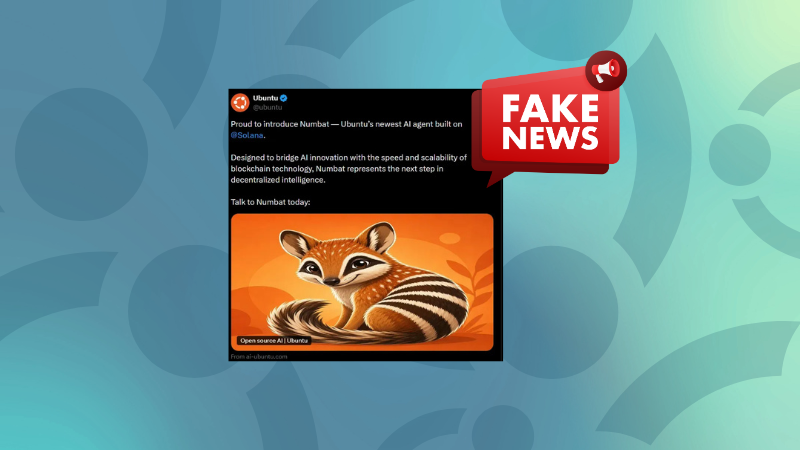
However, clicking any interactive button prompted visitors to connect a cryptocurrency wallet. Security researcher Ankit Singh of Cyber Kendra, which first documented the attack, told our outlet: 'The attacker exploited Ubuntu’s Numbat branding, Solana’s reputation, and a near-identical URL to create a multi-layered deception. Casual users would not have noticed anything amiss until the wallet prompt appeared.'
The fake site is still online as of press time. Canonical has not issued an official statement, but the tweet’s deletion suggests the account password or API keys were changed.
Background
Ubuntu’s web infrastructure endured a sustained DDoS attack for five consecutive days starting last Thursday, which temporarily disrupted access to Ubuntu.com, forums, and package repositories. The attack ended earlier Tuesday, leaving Canonical’s team scrambling to restore normal operations.

This incident mirrors a trend of high-profile crypto-related Twitter takeovers. Since 2020, accounts of companies like Apple, Microsoft, and Binance have been compromised to promote fake token giveaways or NFT scams, often using similar tactics of hijacked brands and phishing links.
What This Means
For Ubuntu users, the hack underscores the fragility of trust in verified social media accounts, even after a major DDoS attack that might have diverted security focus. ‘Attackers often time breaches to coincide with other crises,’ says Sophia Loren, a cybersecurity analyst at VulnGuard. ‘Users must verify any cryptographic or financial request through independent channels, even if it appears to come from an official account.’
Canonical is expected to implement additional protections, such as hardware security keys or mandatory multi-factor authentication for its social media managers. In the meantime, anyone who clicked the link should immediately revoke any wallet permissions granted to the site and monitor for unauthorized transactions.
- Tip: Bookmark official URLs manually; never click from a tweet.
- Action: Enable 2FA on all social media accounts linked to your organization.
This is a developing story. Check back for updates.
Related Articles
- Mastering Your System PATH: A Step-by-Step Guide to Adding Directories
- gThumb 4.0 Alpha: A Radical Visual Overhaul with GTK4 and Libadwaita
- Meet let-go: A High-Speed Clojure-like Language Built Entirely in Go
- Fedora Asahi Remix 44 Launches for Apple Silicon: Major Updates and Upstream Integration
- Linux Mint's HWE ISOs: Solving Hardware Compatibility for New Systems
- European Sovereign Tech Fund Boosts KDE’s Desktop Security and Infrastructure
- Ubuntu DDoS Attack: Key Questions and Answers
- How Meta Built a Self-Sustaining Efficiency Engine with AI Agents: A Step-by-Step Guide