Holographic iPhone Rumored to Be in Development as Samsung Paves Way with Breakthrough Display
BREAKING: Apple's 'Spatial iPhone' Holographic Display Nears Reality
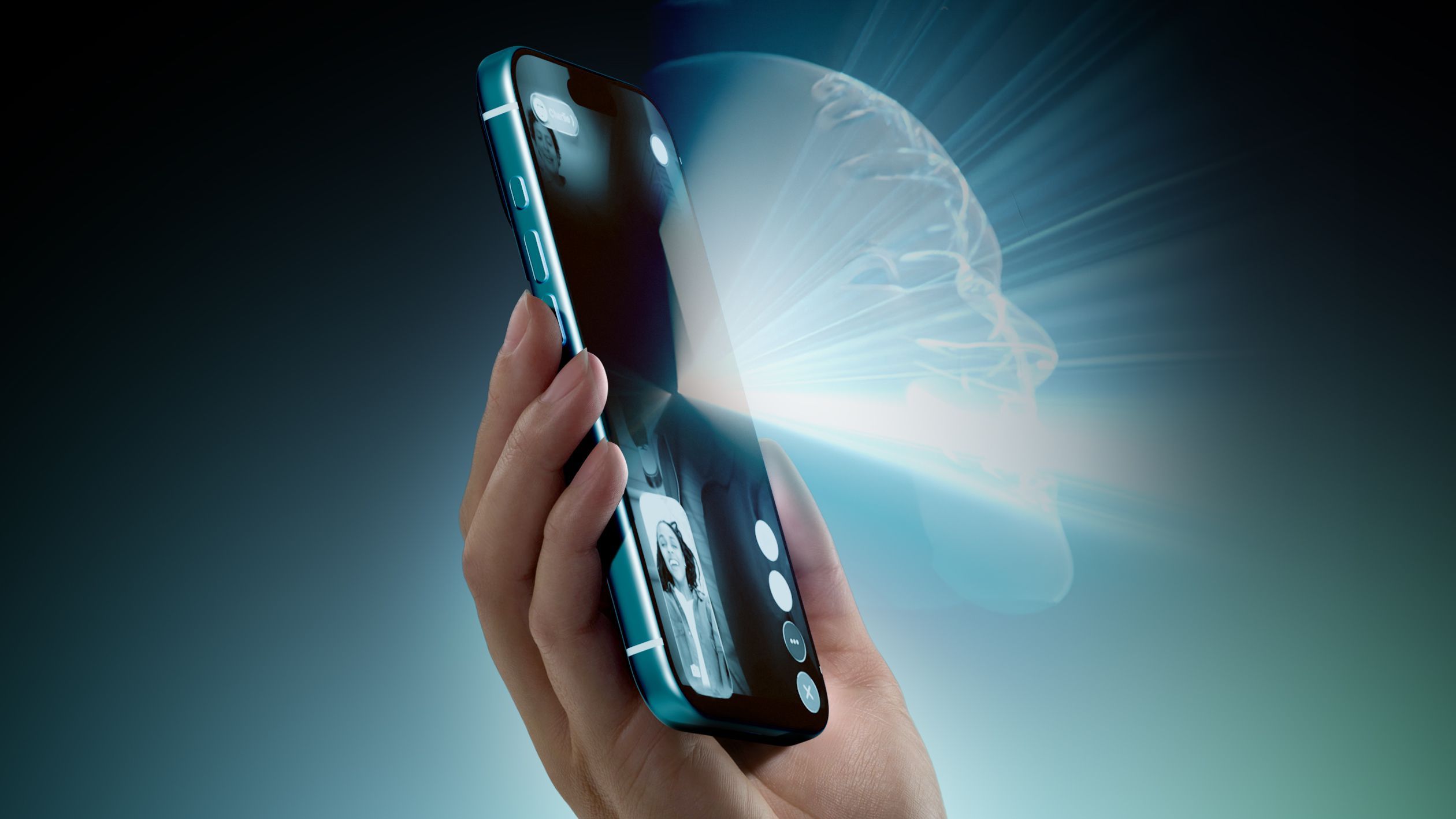
A new leak suggests Apple is exploring a holographic smartphone display, dubbed the 'Spatial iPhone,' with a groundbreaking H1 screen developed by Samsung. Sources claim the device could debut around 2030, leveraging advanced eye-tracking and beam-steering technology to create true 3D depth without glasses.
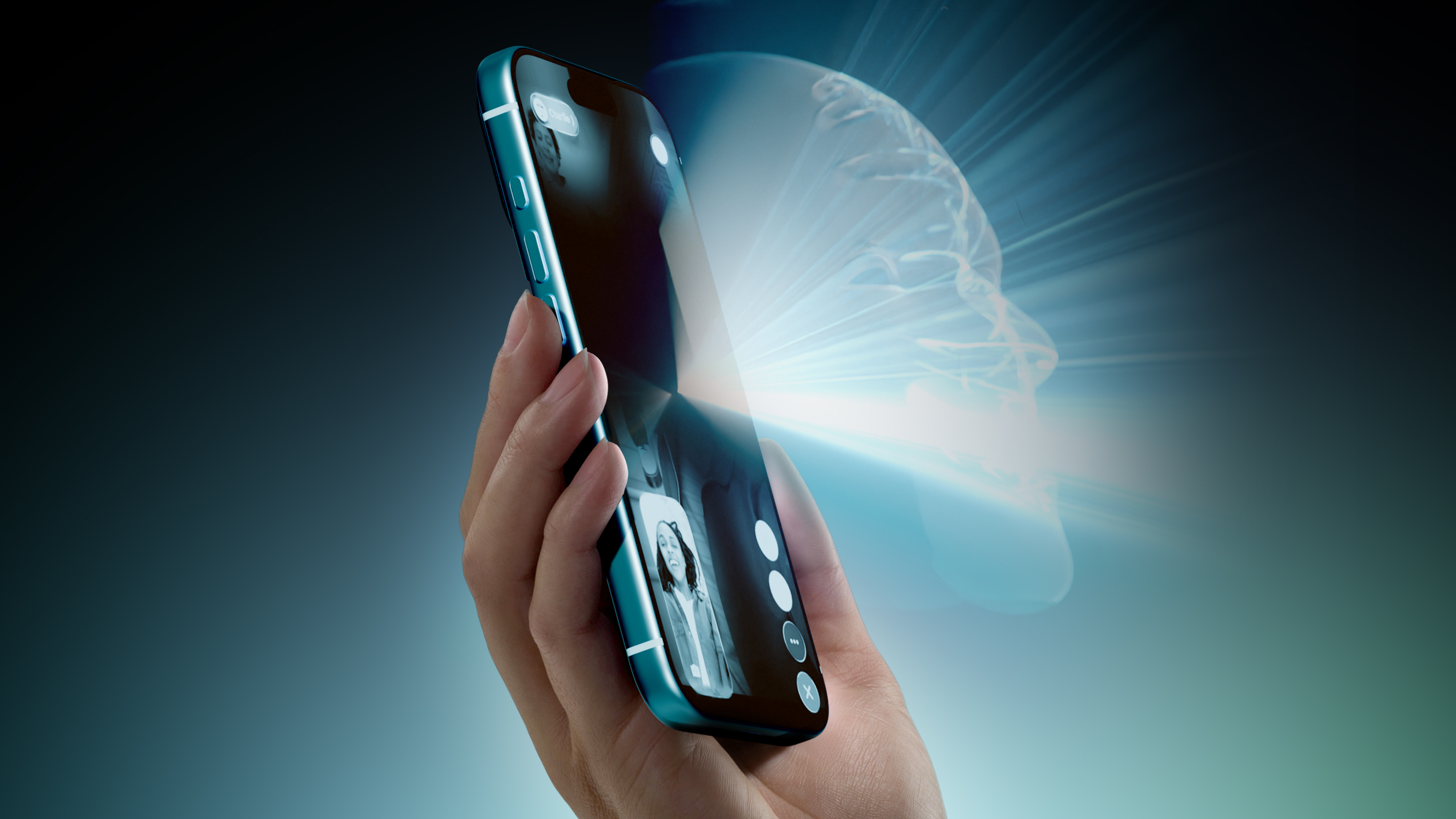
The claims originate from X leaker 'Schrödinger,' who shared messages from an insider familiar with the project. 'The H1 display is unlike anything we've seen – it uses microscopic structures to bend light directly to your eyes,' Schrödinger wrote, citing supply chain discussions. Read background on the technology.
Apple has not commented, but its decades-long patent history in glasses-free 3D – dating to 2008 – aligns with the rumors. Samsung, which supplies OLEDs for current iPhones, is reportedly leading the display manufacturing.
Samsung's H1 Display: A Technical Leap
The H1 display, codenamed MH1 or H1, integrates a nano-structured holographic layer directly into the AMOLED stack. This permits 'spatial depth effects' that appear to float above the glass, according to Schrödinger. The leaker describes 'Zero Clarity Loss' – full 4K resolution is maintained for standard 2D tasks, with holographic depth activating only for compatible content – avoiding the blur of older lenticular 3D screens.
Key features include:
- Diffractive beam-steering that redirects light at precise angles for depth perception.
- Advanced eye-tracking that adjusts the image based on viewer position.
- 360-degree rotation allowing users to tilt the device to see around objects in videos.
Samsung's Advanced Institute of Technology (SAIT) has published foundational work on slim-panel holography since 2020, including a Nature Communications paper detailing a steering-backlight unit that increased viewing angles by 30 times. A prototype at the time was 1cm thick and delivered 4K holographic video at 30fps.
Background: From Patent to Product
Apple's interest in holographic displays stretches back to at least 2008, when it filed a patent for glasses-free autostereoscopic 3D using viewer tracking. 'The spatial iPhone concept has been a long-term R&D goal,' notes display industry analyst Ming-Chi Kuo. 'Samsung's manufacturing head start through SAIT may accelerate Apple's timeline.'
The H1 project reportedly remains in Phase 1 R&D, per Schrödinger, with a target timeframe 'around 2030' for commercial holographic smartphones. Samsung is not alone in pursuing this – supply chain rumors indicate multiple component suppliers are aware of Apple's Spatial iPhone push.
What This Means
For consumers: A holographic iPhone would redefine mobile interaction, enabling 3D displays without glasses for gaming, AR, and spatial video. The 'spatial' branding aligns with Apple's existing emphasis on spatial computing (e.g., Vision Pro).
For the industry: If Samsung ships H1 screens by 2030, it pressures competitors like LG and BOE to develop similar tech. Apple's reliance on Samsung for displays means close collaboration – or potential rivalry over exclusivity.
Timeline uncertainty: The 2030 timeline is speculative. 'Phase 1 R&D could easily stretch longer,' warns Schrödinger. Apple may also wait for manufacturing cost reduction before committing to production.
Stay tuned as more details emerge. Back to technology background.
Related Articles
- How YouTube TV Avoided a Second Major Blackout: A Step-by-Step Guide to Carriage Deal Renewals
- Swift Project Forms Windows Workgroup to Accelerate Native App Development
- Meta Brings React Native to Quest VR Headsets at React Conf 2025
- React Native 0.84: Hermes V1 as Default and Performance Upgrades
- iOS 26 Phone App: Two Game-Changing Features That Finally Make Calls Enjoyable
- 7 Secrets to a Better YouTube Music Experience on Your Foldable (Including That Hidden Setting)
- A Comprehensive Guide to the Swift Windows Workgroup
- Apple's Record Quarter: Demand Overflow and Supply Challenges Explained